
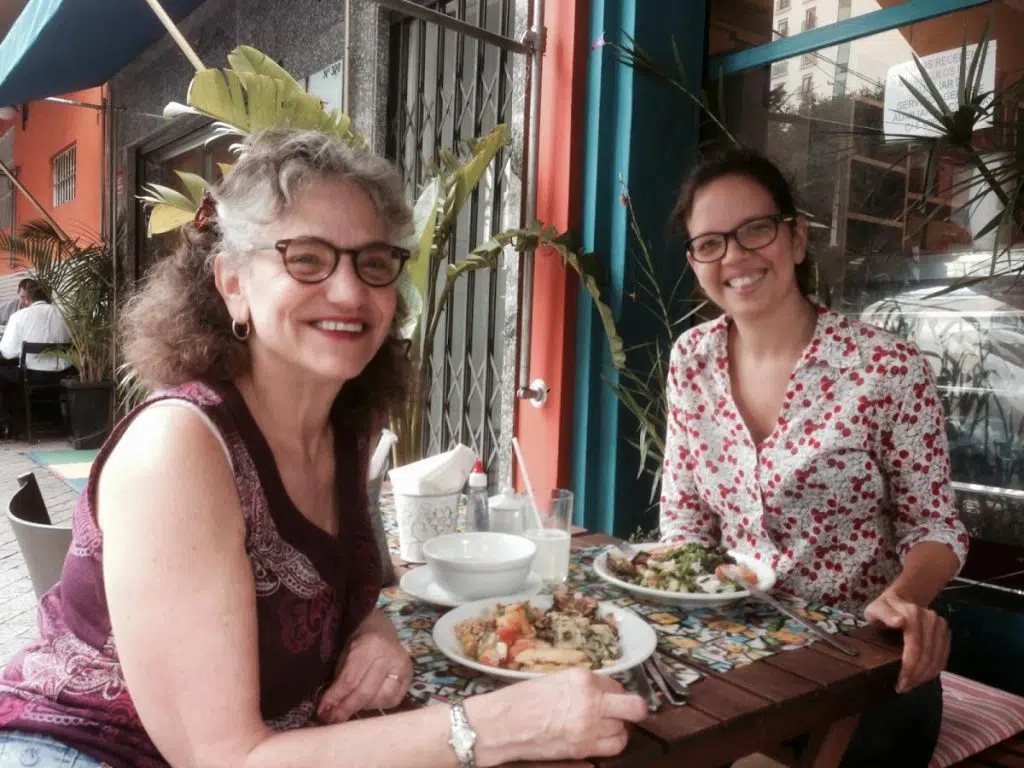
Multiple disciplines – sports, the arts, STEM, music – have the power to change lives, particularly the lives of under-resourced youth. Because many sports are so familiar to children and families, however, they provide an especially easy draw. Once engaged, research demonstrates – over and over – that sports can positively impact cooperation, self-confidence, perseverance, and several additional non-cognitive skills; as well as physical attributes such as stamina, optimal body weight, and general health and fitness. This combination of mental/emotional/social/physical strength can be transferred to other life situations including school, work, civic engagement, and self-efficacy – all of which can ultimately contribute to personal empowerment and social impact.
I’ve personally witnessed the power of sport to transform lives, both as the Founder and Director of the Out-of-School Time Resource Center (OSTRC) at the University of Pennsylvania and the Co-Director of the Philadelphia Youth Sports Collaborative (PYSC), a collection of 54 nonprofit organizations that use sports to promote positive youth development. Over the past year, I had the honor and privilege of participating in the Partners of the Americas’ Emerging Leaders Program (ELP).
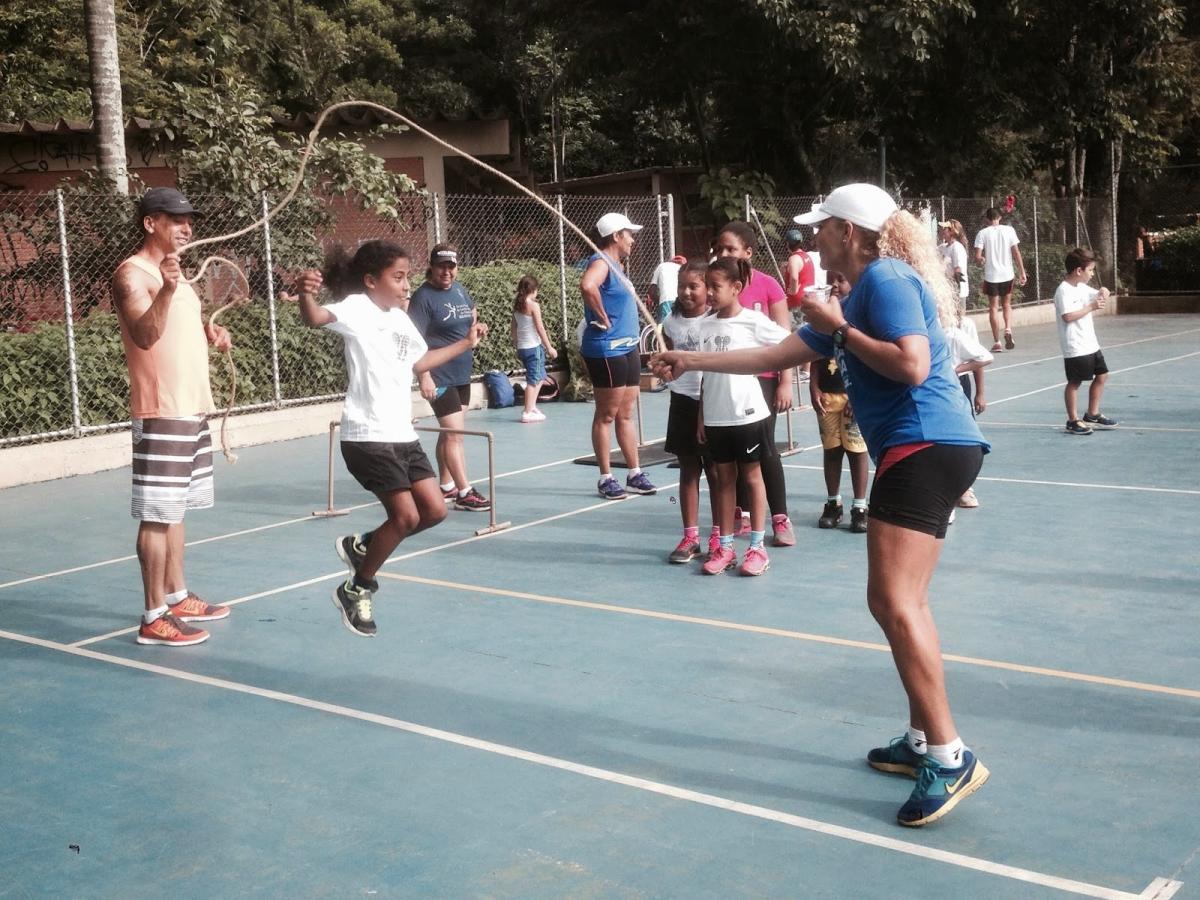 Funded by the State Department, ELP pairs U.S. mentors with Brazilian sports “mentees.” Louise Bezerra, my Brazilian mentee, is the Executive Secretary of REMS, a national program that unites 54 sports programs dedicated to using sports as a means of social change. Louise visited me for three weeks in the fall of 2014 and participated in PYSC activities, met PYSC stakeholders, and explored the inter-workings of a network similar to her own. I then visited Louise in Brazil in March 2015. My goals for this exchange were to learn how a network (similar to PYSC) functions, particularly one that is both older and bigger than our own; and see firsthand how Louise’s immersion in PYSC impacted REMS.
My goals were achieved in multiple ways and on multiple levels. I was able to participate in the REMS Bi-Annual Meeting, speak with stakeholders inside and outside of REMS, visit a REMS program site, and participate in multiple Empowering Women Through Sports events.
Through all of these activities, I was able to explore how REMS operates, observe tangible ways in which Louise/REM incorporated lessons from her visit to the U.S., and better understand the role of sports for human development in Brazil.
What initially impressed me was the degree of similarity between our two networks. Both cultivate the excitement of gathering sports-based social advocates in one convening, share the challenge of administering a network that balances efficiency with democracy, and wholeheartedly believe in the power of sports to unite individuals, organizations, communities, and countries.
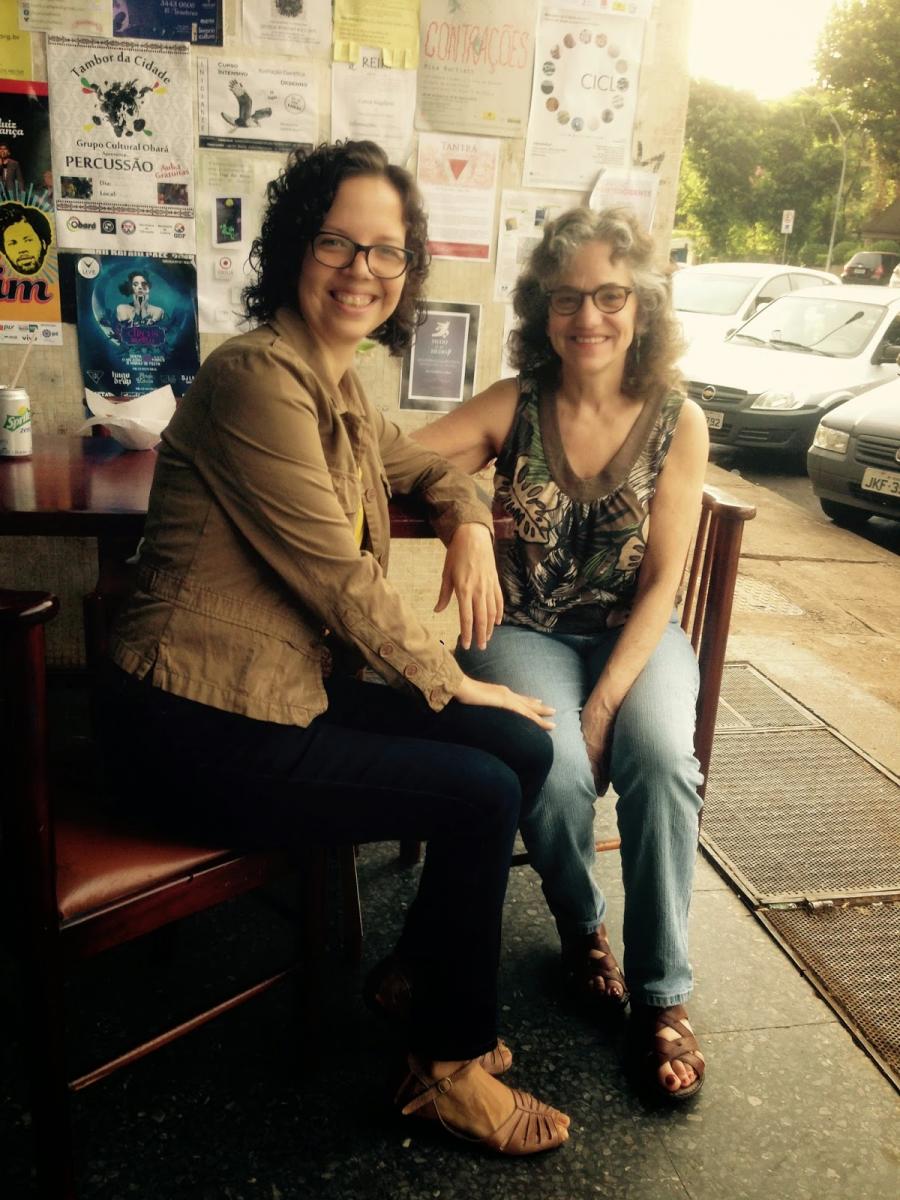 In addition, both PYSC and REMs have discovered the power of partnerships, collaboration, pooled resources, and cooperation-vs.-competition. Members of both networks exchange promising practices, confer about common challenges, and support one another through familiar and new explorations. Moreover, multiple programs can provide access to diverse activities – and thus nurture the whole child – on a scale that single programs cannot. Collaborative efforts can achieve economies of scale in everything from purchasing t-shirts to interfacing with a centralized program evaluator. Funders can invest in a network – a vetted “mutual fund” of programs – rather than spend time researching individual sites. Lastly, a unified network can impact policy, legislation, and advocacy with more impact and velocity than individual staff, programs, and organizations.
There were, of course, many differences to explore as well. The largest of these is the existence of Brazil’s Sports Tax and Ministry of Sports, and how these support national advocacy efforts. In this regard, the U.S. (and PYSC) have a long way to go in their legislative and advocacy efforts.
I was able to leave Brazil with several professional takeaways. Since PYSC is at an administrative crossroads, I was able to consider REMS’ governance and organizational features that could inform PYSC decisions. These include rotating the REMS host site, regularly, requiring members to attend certain meetings/numbers of meetings, accepting nonprofit evidence as well as official nonprofit status, etc. And because REMS is so intertwined with Brazilian advocacy and legislation, I could begin to visualize inroads for PYSC in this arena as well. My Brazilian experience illuminated ways in which we can influence policy, programming, and justice – on both a local and national level.
Finally, I left Brazil with a renewed recognition that my interests and skill-sets are far more versatile, applicable, and transferable than I had realized previously. I am eager to re-apply myself to the intersection of education and social change, and look forward to the new opportunities this experience has opened.