Health
OVERVIEW
Healthy early years that shape a lifetime of well-being
Partners of the Americas’ health projects work to improve the health and nutrition of children, mothers, and families, with a particular focus on the critical early years that shape a lifetime of well-being.
Nutrition is at the heart of this work, from maternal and early childhood nutrition to food fortification and healthier school meals. Partnering with ministries of health and trusted local organizations, POA strengthens community-based services and the health systems that support them, connecting families to the care they need.
Because our approaches are designed for government adoption from the start, they can be sustained with local leadership and resources.
Healthier children and families, in turn, lay the groundwork for stronger communities and lasting stability across the region.
Programs
Health
Haiti
Improving Nutrition for Mothers and Children in Haiti
US Department of State · 2013–2016
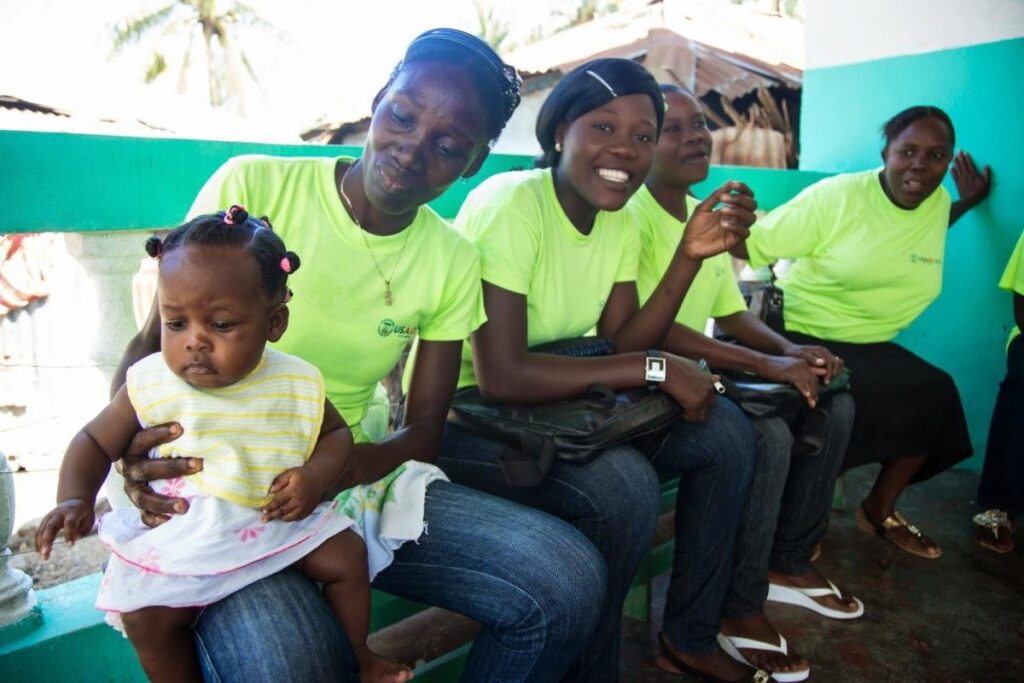
One in three Haitian children under five is stunted, held back by poor feeding practices, food insecurity, and limited access to health services. Through the US Government Nutrition Security Program, Partners of the Americas helped Haiti’s Ministry of Health improve the nutrition of young children and of pregnant and breastfeeding women. The project organized mothers into community Care Groups that teach their neighbors healthy feeding and caregiving, involved fathers, grandmothers, and youth, supported screening and treatment for malnourished children, and helped families grow nutritious food at home. The work was delivered with the Ministry, local organizations, and six reference hospitals across four departments.
Partners of the Americas trained nearly 30,000 people in child health and nutrition, including more than 25,000 women organized into Care Groups. Nearly 20,000 children were screened for malnutrition, with those identified referred for treatment. In the project’s own surveys of participating families, exclusive breastfeeding of babies under six months rose from 46% to 85% between 2014 and 2015. The project also trained nurses, community health workers, and traditional birth attendants, and Mother Leaders formed savings groups, building skills and community networks within the Ministry’s existing health system. The project demonstrates Partners of the Americas’ ability to reach families at scale through trusted community networks and local health systems.
Health
Haiti
Improving Nutrition Through Fortified Foods in Haiti
US Department of State · 2017–2025
Many people in Haiti do not get enough essential vitamins and minerals, which can lead to anemia and other health problems. Through the US Government RANFOSE program, Partners of the Americas worked to make fortified staple foods, such as wheat flour, cooking oil, and salt, easier to find and trust. The project helped the government develop national standards, supported food companies in adding vitamins and minerals to their products, and raised public awareness of the benefits of fortified foods. The work was delivered in partnership with Haiti’s Ministries of Health, Commerce, and Agriculture, the Haitian Bureau of Standards, and local food companies.
Partners of the Americas brought government, industry, and civil society together in a national Food Fortification Working Group, which was built to continue after the project. The project supported Haiti in adopting national standards for fortified wheat flour and iodized salt and approving a national Fortified Food logo that helps shoppers identify fortified products. It also produced a manual of quality control protocols for fortified foods. Eleven brands met national fortification standards, and awareness events reached about 6,000 students and 200 community health workers, alongside radio, TV, and social media campaigns. The project demonstrates Partners of the Americas’ ability to bring government, industry, and communities together around a shared public health goal despite political instability, insecurity, and the COVID-19 pandemic.