
Areas of Work
Agriculture & Food Security
Increasing Productivity and Trade in Nigeria’s Aquaculture and Poultry Sectors
U.S. Department of Agriculture Food for Progress Nigeria · 2025–2029
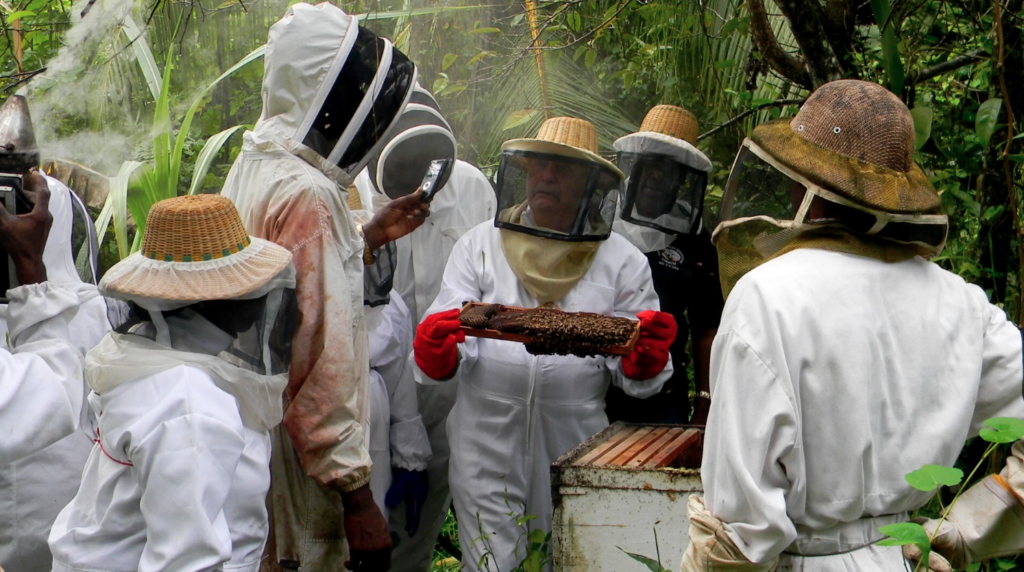
Demand for animal protein in Nigeria, a country of more than 230 million people, is outpacing what local poultry and fish farms can supply. To address this challenge, the U.S. Department of Agriculture is funding a project through its Food for Progress program. Implemented by Partners of the Americas, the project works with farmers, buyers, service providers, lenders, and regulators to improve the poultry and aquaculture market system. Partners of the Americas improves training systems, financial inclusion, and the adoption of innovative technologies. Food for Progress Nigeria additionally works to increase trade opportunities for U.S. agricultural technologies and inputs that improve aquaculture and poultry production. The project’s target regions are Lagos, Osun, Ogun, Edo, and Abuja.
The project is expected to increase productivity and incomes for 6,000 producers, increase access to finance, and create more jobs across poultry and aquaculture value chains. Partners of the Americas builds lasting capacity in local institutions at the market systems level so that interventions outlast the project.
Education
Facilitating Cultural and Educational Exchanges
U.S. Department of State Education and Culture Program · Since 1983
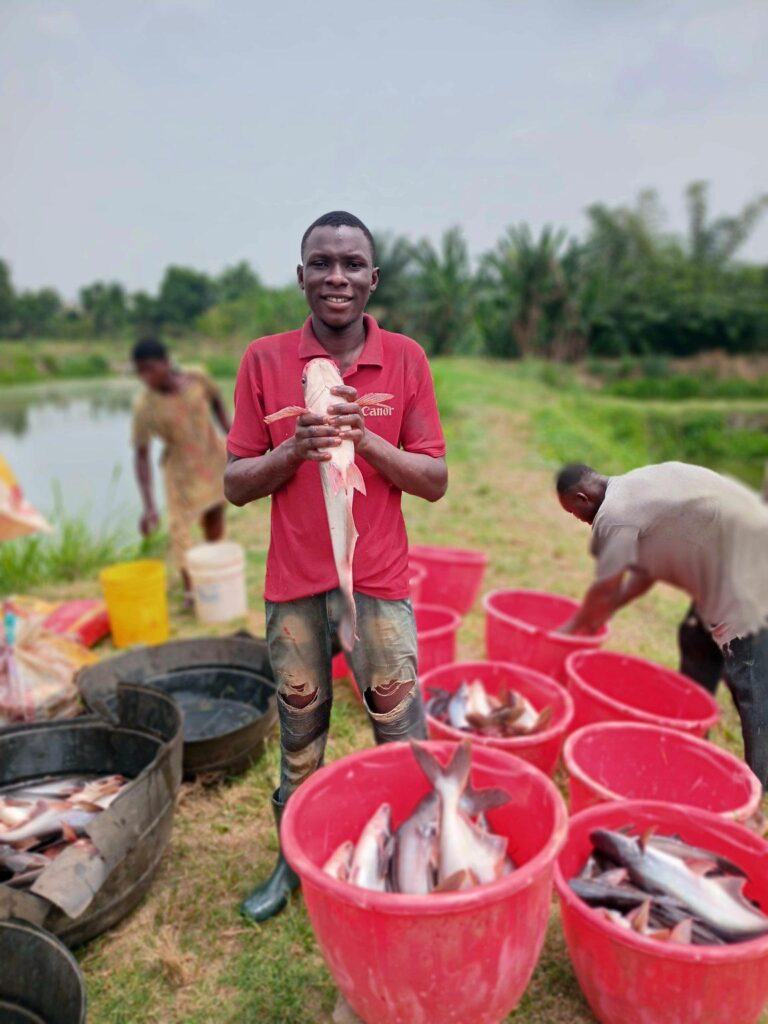
The Education and Culture Program connects people and organizations across the United States, Latin America, and the Caribbean to strengthen communities, build local capacity, and foster cross-cultural understanding through exchanges and community-based initiatives.

Education
Strengthening Literacy, Nutrition, and School Feeding in Honduras
Food insecurity in Honduras keeps many children from attending school regularly, staying enrolled, and learning, and school meals are essential to changing that. To address this challenge, the U.S. Department of Agriculture is funding a $40 million project through its McGovern-Dole International Food for Education and Child Nutrition Program. Implemented by Partners of the Americas from October 2025 through September 2031, the project works with national and municipal government, the private sector, and civil society to improve literacy, health and nutrition practices, and the effectiveness of school feeding. Partners of the Americas provides daily nutritious school meals, distributes educational materials, trains teachers and school administrators, rehabilitates school water, sanitation, and hygiene (WASH) infrastructure, and strengthens commodity management. McGovern-Dole Honduras additionally combines U.S.-donated agricultural commodities with locally and regionally procured fresh foods, supporting American farmers and expanding U.S. agricultural exports. The project’s target departments are La Paz and Intibucá, two of
Education
Advancing U.S. Leadership through Higher Education Partnerships, Student Mobility, and Workforce Development
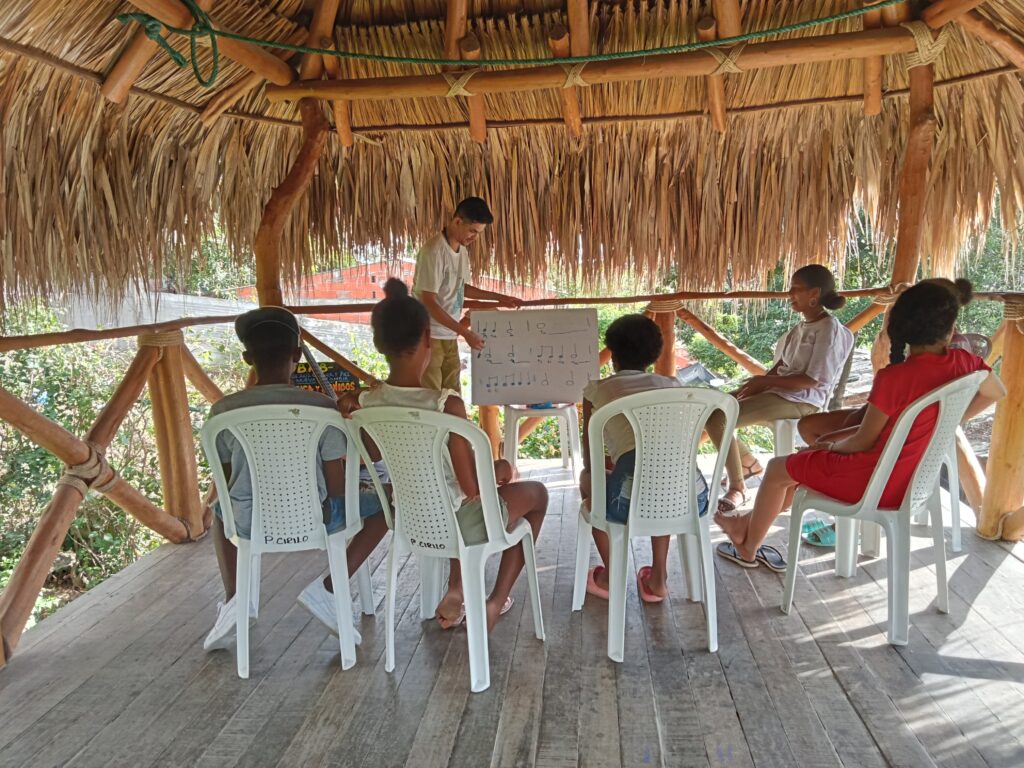
Many students across the Americas graduate without the applied skills and international experience employers increasingly seek, and study abroad is often out of reach. Through the US Department of State’s 100,000 Strong in the Americas Innovation Fund, Partners of the Americas runs competitive grants that pair US colleges and universities with institutions across the hemisphere. Funded partnerships expand student training and mobility, launch applied research, and build workforce skills around shared regional challenges. The initiative has been supported by many major US companies, including Amazon, Exxon, and Coca-Cola, among others, and has engaged 619 institutions in 26 countries and 49 U.S. states.
Labor
Improving Labor Practices in the Mexican Automotive Industry
U.S. Department of Labor Compliance and Upholding Mexican Labor Provisions Program · 2026–2030
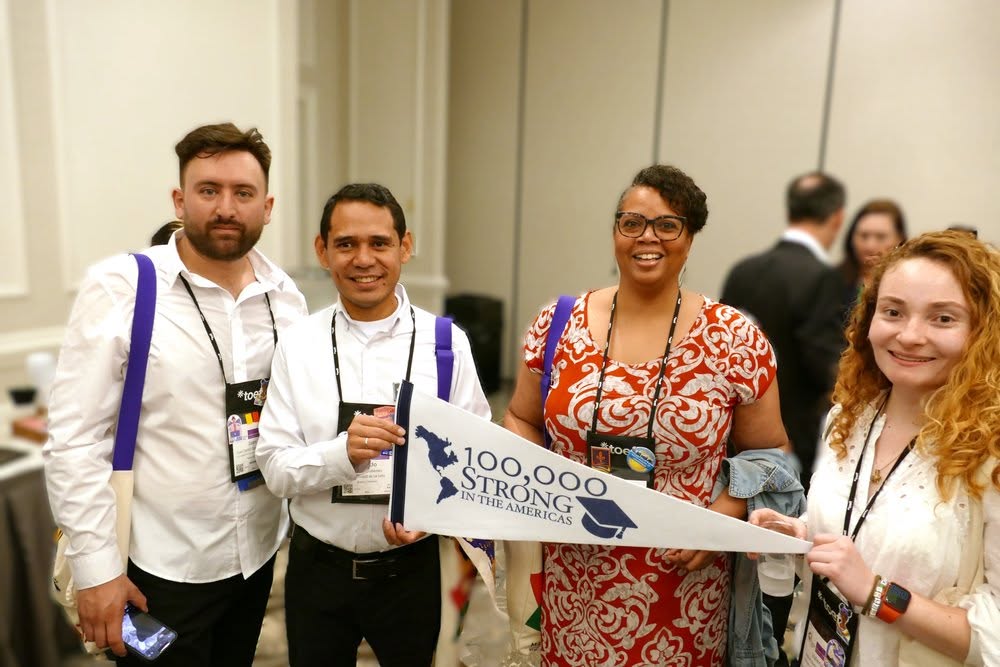
Implemented by Partners of the Americas in partnership with the Technological Institute of Mexico (ITAM), this $15.4 million program runs from January 2026 to June 2030 with three goals: strengthen state-level labor law enforcement, promote employer compliance with Mexico’s 2019 Labor Reform and United States-Mexico-Canada Agreement (USMCA) obligations, and build workers’ and unions’ capacity to negotiate meaningful improvements in wages and working conditions. As enforcement institutions modernize case management, employers adopt compliance practices, and unions gain access to comparable bargaining data, wage suppression in USMCA-linked sectors is expected to decline, helping level the playing field for American workers.

Labor
Raising Awareness on the Risks of Irregular Migration in Mexico
U.S. Department of State Mexico Migration Messaging Project · 2023–2027
The Mexico Migration Messaging project, implemented by Partners of the Americas, supports efforts to reduce irregular migration by providing accurate information about U.S. immigration policies, countering misinformation, promoting voluntary return options, and raising awareness of the risks of crossing the border irregularly. This $2.5 million project runs from October 2023 through April 2027, focusing on messaging and outreach in Mexico and Latin America.
Labor
Combating Trafficking in Persons in Paraguay
U.S. Department of State Ñangareko Hağua Program · 2025–2030
Implemented by Partners of the Americas, this $2.5 million program runs from October 2025 to September 2030 with the goal of strengthening protection services for adult male victims of human trafficking and building the capacity of non-specialized shelter staff to provide trauma-informed, victim-centered care.
Past Programs
Increasing Agricultural Productivity in Tunisia’s Oases
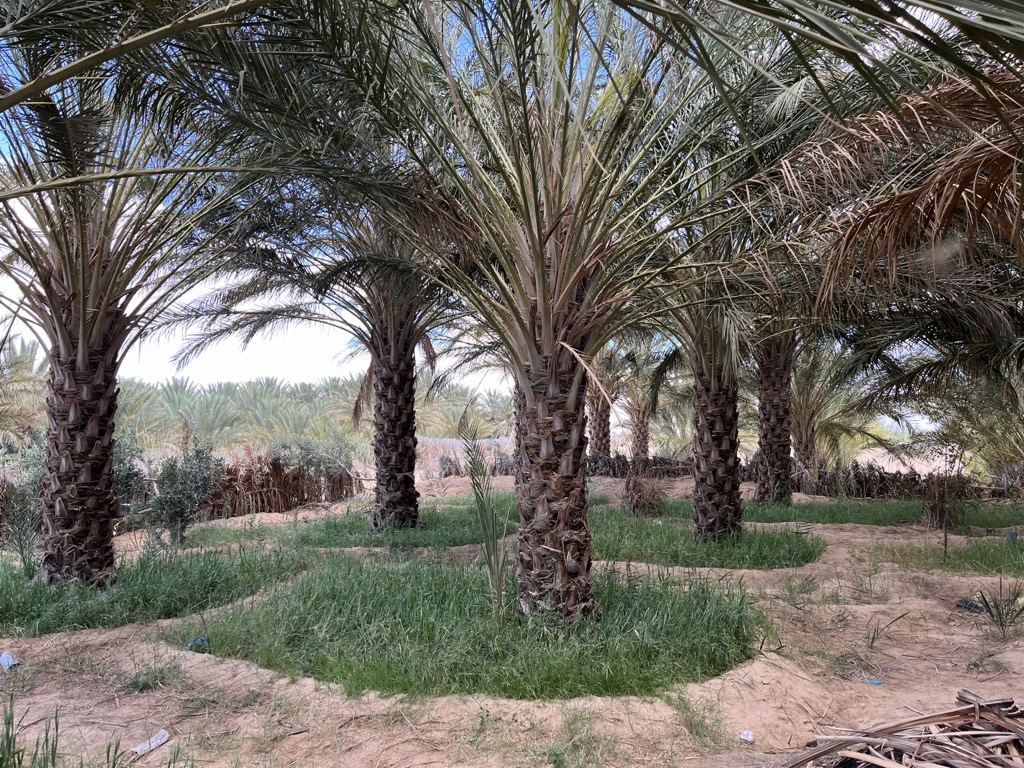
The two main goals of USDA Food for Progress Tunisia, implemented by Partners of the Americas, were increase trade between the U.S. and Tunisia and improve agricultural productivity in the oases sector. Tunisia is a key partner for the U.S. and supporting agriculture development efforts in the country are essential to maintaining robust economic and security partnerships. The project sought to enhance the sustainability of the oases crops in the southern regions of Tunisia by improving water management and building long term economic stability. Tunisia’s oases are a major agriculture production zone and the primary source of income and employment in the country’s southern regions.
Increasing Horticulture Productivity and Food Security in Mauritania
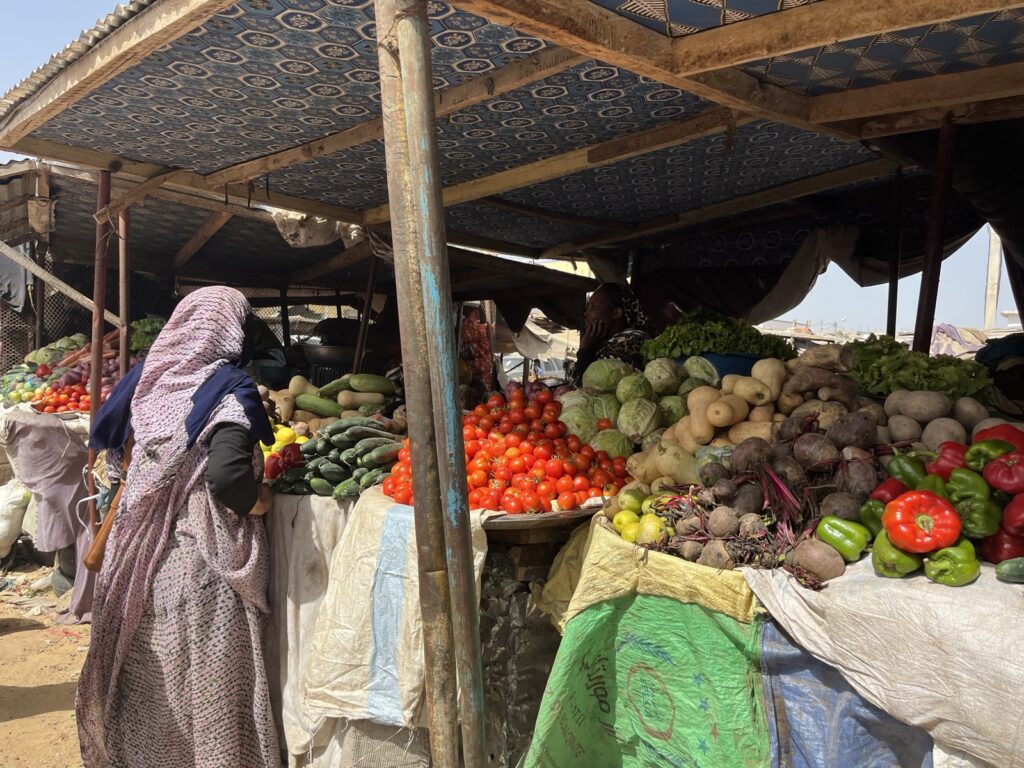
Implemented by Partners of the Americas, the project had two main goals: to increase trade between the U.S. and Mauritania and improve horticulture sector productivity. These goals are related—Partners of the Americas harnesses U.S. technologies to increase Mauritanian farmers’ yields. Mauritania is a key U.S. ally, and supporting agriculture development efforts in the country is essential to maintaining robust economic and security partnerships. The project collaborates with the Mauritanian Government and has excellent relationships with federal, regional, and local authorities.
Increasing Cocoa Productivity and Food Security in Colombia
This project aimed to strengthen Colombia’s cocoa sector by supporting cacao farmers attain economically viable diversified farming systems, sustainable agricultural landscapes, and durable commercialization models. It strengthened Colombia’s cocoa sector to solidify U.S.-Colombia trade relations. The project represented USDA’s largest investment in Colombian agriculture, highlighting its strategic importance for both countries. The U.S. chocolate market, valued at $28.45 billion in 2025 and projected to reach $36.79 billion by 2030, depends on a stable cacao supply, as the U.S. does not grow cacao domestically. Colombia’s geographical proximity reduces transportation costs and enhances supply chain stability. C4D also strengthens the production of complementary crops for cacao, including plantain and Tabasco peppers, supporting domestic sales and U.S. exports.
Strengthening Mexico’s Capacity to Prevent and Address Labor Rights Risks
This project strengthened Mexico’s capacity to prevent and address labor and human rights risks associated with the 2026 FIFA World Cup. By working closely with local labor rights organizations and engaging national and local authorities, the project seeks to reduce the risk of labor and human rights violations during the event.
Advancing Labor Compliance in Colombia’s Port Sector

This project worked to improve Colombia’s compliance with local and international labor rights in the port sector. Focused on eliminating forced labor, child labor, and other labor violations, the project promotes compliance with international labor rights, strengthens workers’ organizations, and fosters social dialogue to address labor challenges in key Colombian ports. The project ran from 2020 to 2025 and focused on creating sustainable solutions to improve labor conditions and minimize disruptions in critical global supply chains.
Improving Ecuador’s Compliance with International Labor Standards in the Agricultural Sector
Ecuador’s banana and cut flower industries supply major global markets, including the United States, which buys 43% of the country’s cut flower exports and about 15% of its bananas. Both sectors, however, have a significant prevalence of child labor and forced labor, and labor standards are weakly enforced. Through the U.S. Department of Labor AgroJusto project, Partners of the Americas worked to eradicate child labor and forced labor and promote labor rights across these two supply chains. The project aimed to strengthen local governments’ capacity to enforce labor laws, raise workers’ awareness of their rights, and improve access to remedies for violations.
Raising Awareness of Mexico’s Labor Reform
This project integrated and expanded upon existing efforts in Mexico to promote information about the 2019 Mexican Labor Reform, ensuring that workers, employers, and other key labor stakeholders can effectively navigate and utilize the country’s new labor systems. By strengthening outreach and education, the project supports fair labor standards and more balanced competition within North American trade. To advance its objectives, Partners of the Americas collaborated with local and international civil society organizations, and engaged prominent labor rights organizations, unions, and confederations in five key sectors—mining, auto assembly, auto parts, steel/aluminum, and electronics—where Mexico’s labor reforms have significant implications for labor conditions and trade commitments.
Empowering Women in the Mexican Workplace
Women in Mexico’s workforce face workplace harassment, low pay, and limited representation in union leadership. These barriers constrain both their economic security and their voice in shaping working conditions. Through this Department of Labor-funded program, Partners of the Americas increased women’s leadership in unions, strengthened safeguards against harassment and abuse, and advocated for fair wages and compliance with minimum labor standards. The project worked with civil society organizations, women workers, unions, and employer associations, and integrated women’s labor rights into existing labor programs, funded by the U.S. Department of Labor.
Learn more about our Chapters
Find a Chapter
With more than 60 Chapters and programs in over 30 countries, from Uruguay to the U.S. to Haiti, we bring together communities, individuals, organizations, local partners, and a robust, active volunteer network that solves local and global challenges.
Connect with your local chapter