
Pulses are Vital in 2016, Says UN
Posting Date: January 6, 2016
Since 1960, the United Nations dubs each year a new topic that deserves international awareness or appreciation. In 2015 we celebrated the International Year of Soils, and this year, the United Nations has declared 2016 the International Year of Pulses!
By designating 2016 the International Year of Pulses, the UN Food and Agriculture Organization (FAO) aims to heighten public awareness of the nutritional benefits pulses provide, as well as the sustainable food production pulses offer, aimed towards food security and nutrition. Pulses provide protein, complex carbohydrates, dietary fiber, vitamins and minerals. Like other plant-based foods, they contain no cholesterol and little fat or sodium.
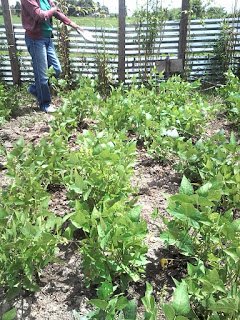 Pulses are annual leguminous crop-yielding grains or seeds within a pod, such as lentils, beans, peas, and chickpeas. A vital source of plant-based proteins, they play an important role in nutrition for people around the world who do not have enough access to meat. In addition, pulses have nitrogen-fixing properties which can contribute to increasing soil fertility and have a positive impact on the environment.
Pulses are particularly important in Latin America, Africa, and Asia where they make up a significant part of traditional diets and often grown by small farmers. Chickpeas, also known as garbanzo beans, are the main ingredient in hummus, and consumed in a variety of dishes all over the world. Red kidney beans and black beans are used in a wide range of South American and African dishes, and snow peas have become one of Guatemala’s most important exports, nearly all of which are destined for the U.S.
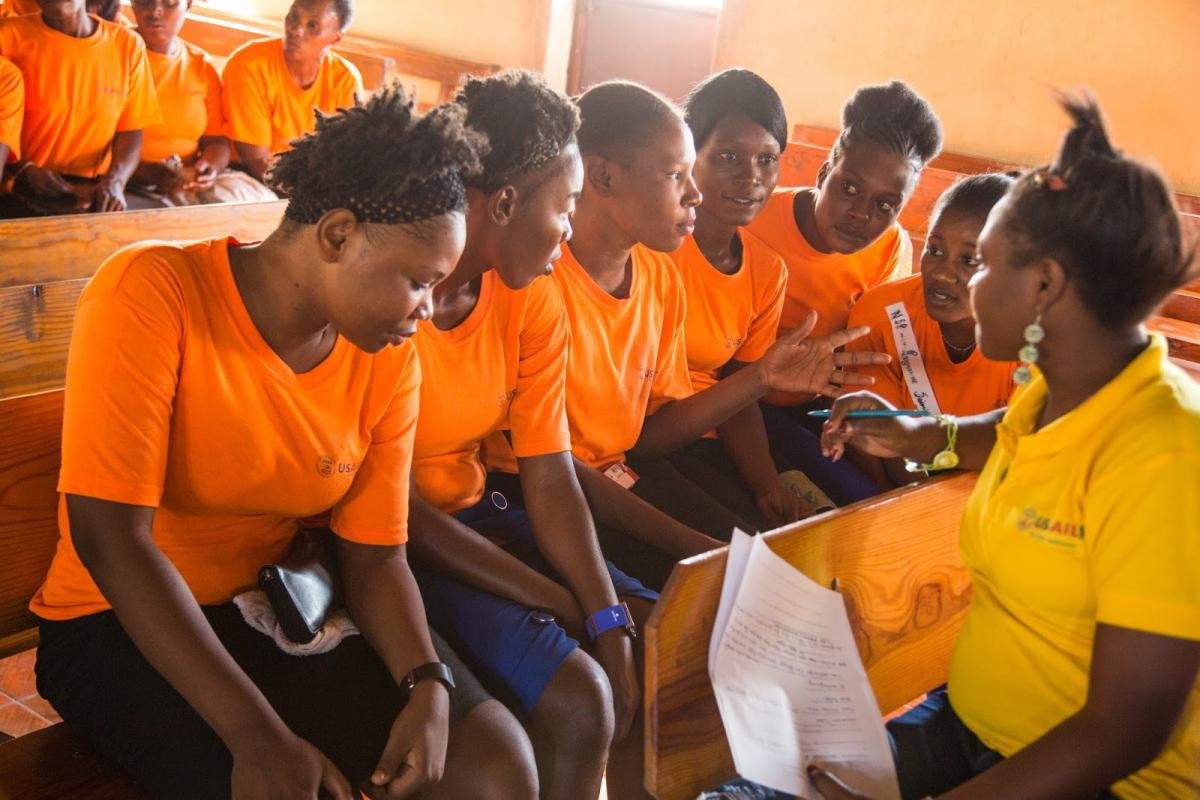 The Haiti Nutrition Security Program volunteers and staff know how important pulses are for healthy diets through their experiences with lima beans in Artibonite, Haiti. Last spring, NSP and Universite Laval (AKOSAA – Enhancing and Building Capacity for Increased Food Security in Haiti) teams in Saint-Marc, Artibonite, organized a community health and agriculture fair to promote health and nutrition. Mother Leaders and neighbors presented specialties and nutritious foods available in their region. The positive and encouraging feedback showed similar activities could be a powerful tool for behavior change and increased health communication within the community.
At the end of the day, The Artibonite Valley Development Organization director and agronomist Francogranted NSP 2 kilograms of lima bean seeds. The lima bean crop grows very well and soon more families will be able to grow, harvest, and diversify their diet with fresh beans. Like most pulses, lima beans are important sources of plant proteins and contain a substantial amount of fiber. The availability of lima beans in the communities represents a significant offer of vegetable-rich protein to increase the opportunities for diet diversity and improve nutritional status.
Want to find ways to incorporate pulses into your cooking? Find out how here!